If you've dealt with bloating, food sensitivities, fatigue, or digestive discomfort that never quite resolves, you may have come across the term "leaky gut." It's worth knowing upfront that leaky gut syndrome isn't a formal clinical diagnosis — it's a popular term for increased intestinal permeability, and while many conventional doctors are cautious about the label, a growing body of research does support the idea that gut barrier function matters for overall health. Understanding what's actually going on — and what the evidence says about supporting it — is the first step toward feeling better.
What's Actually Happening in a "Leaky" Gut
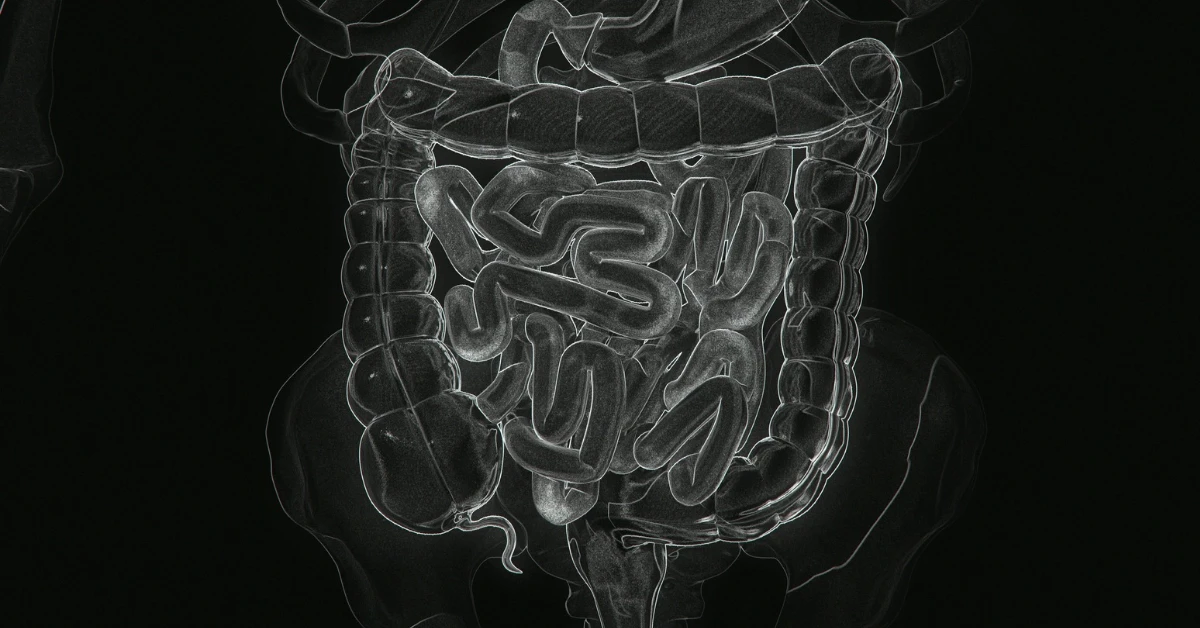
Your intestinal lining is a single layer of cells held together by structures called tight junctions. These tight junctions control what passes from your gut into your bloodstream — letting water and nutrients through while blocking harmful substances. When they loosen, larger molecules like undigested food particles, bacteria, and toxins can slip through more easily than they should, a state researchers call increased intestinal permeability.
Harvard Health notes that leaky gut syndrome refers to a breakdown in the barrier between the gut and bloodstream, often driven by inflammation in the small intestine, which can allow bacteria and toxins to trigger a range of digestive symptoms. The science of what strengthens that barrier, however, is well established — and that's where glutamine and immunoglobulins come in.
Glutamine: Fuel for the Cells That Guard Your Gut
L-glutamine is the primary fuel source for enterocytes, the cells that make up your intestinal lining, which is why it's one of the most researched nutrients for gut barrier support.
- A 2024 systematic review and meta-analysis of randomized controlled trials examined glutamine's effect on intestinal permeability across multiple clinical trials and found consistent evidence of a barrier-supportive effect.
- A randomized controlled trial in Crohn's disease patients found that glutamine and whey protein supplementation improved intestinal permeability and gut morphology.
- Research published in the journal Amino Acids, "Glutamine and Intestinal Barrier Function," describes how glutamine supports enterocyte growth, survival, and regulation of the gut barrier during physiological stress.
- A study in The Journal of Nutrition, "Glutamine Enhances Tight Junction Protein Expression," found that glutamine measurably increased expression of the tight junction proteins that hold gut lining cells together.
- A clinical overview from the Comparative Animal Science Institute summarizes trial data showing glutamine normalized markers of intestinal permeability in IBS patients with post-infectious symptoms, alongside improved stool frequency and consistency.
Immunoglobulins: Targeted Immune Support for the Gut Lining
Immunoglobulins (antibodies, especially IgG) work differently — rather than fueling gut cells directly, they bind to bacterial toxins and antigens in the gut lumen, reducing the immune burden on the intestinal lining so it can repair itself.
- A study in the American Journal of Physiology–Gastrointestinal and Liver Physiology, "Dietary Intervention with Serum-Derived Bovine Immunoglobulins Protects Barrier Function," found that immunoglobulin supplementation preserved tight junction and adherens junction protein expression during induced intestinal inflammation.
- Research in PLOS ONE / NCBI, "Serum Bovine Immunoglobulins Improve Inflammation and Gut Barrier Function," documented reduced markers of intestinal permeability and inflammation in patients with compromised gut barriers.
- A mechanistic review, "Potential Mechanisms of Effects of Serum-Derived Bovine Immunoglobulin in IBS-D," reported measurable improvements in bowel frequency, stool consistency, and intestinal permeability testing after 8 weeks of supplementation.
- A safety and absorption study in healthy adults confirmed that oral immunoglobulin supplementation is well tolerated even at higher doses, with a strong safety track record across tens of thousands of patients.
- Clinical work summarized in a review on serum-derived bovine immunoglobulin in refractory IBD notes that combining glutamine with immunoglobulin support is a recognized clinical approach for reducing intestinal permeability.
Why Combine Glutamine and Immunoglobulins?
These two ingredients work through complementary mechanisms — glutamine feeds and rebuilds the physical gut lining, while immunoglobulins reduce the toxin and antigen load the gut has to deal with in the first place. That combined approach is the foundation behind our Gut Integrity formula, built around clinically studied doses of L-glutamine and targeted immunoglobulin support, and Total Gut Balance, which pairs that barrier support with prebiotic and probiotic ingredients for broader microbiome balance.
Supporting Your Gut Barrier Beyond Supplements
Research consistently points to a few complementary habits alongside targeted nutrients:
- Minimize processed foods and excess alcohol, both linked to increased intestinal permeability in animal and human studies.
- Manage chronic stress, which affects gut barrier integrity via the gut-brain axis.
- Prioritize fiber-rich, diverse foods to support the microbial diversity that helps maintain barrier function.
- Get consistent sleep, since sleep disruption has been associated with changes in gut permeability markers.
Frequently Asked Questions
Is "leaky gut" a real medical condition?
It's not a formally recognized diagnosis, but the underlying science — intestinal permeability — is a legitimate and actively studied area of gastroenterology research.
How long does it take to notice a difference?
Most clinical trials measuring intestinal permeability improvements with glutamine or immunoglobulins ran 4–8 weeks, so consistency matters more than speed.
Can I take glutamine and immunoglobulins together?
Yes — several of the studies referenced above used combination approaches, and the two ingredients work through different mechanisms.
This article is for informational purposes only and is not medical advice. These statements have not been evaluated by the FDA. This product is not intended to diagnose, treat, cure, or prevent any disease. Consult your healthcare provider before starting any new supplement, especially if you have a diagnosed GI condition, are pregnant, or are nursing.