This week, a paper caught my attention because it tackles a problem that many of my readers live with and few of them talk about: bladder symptoms. The study, “Pelvic Floor Knowledge, Toileting Behaviors, and Lower Urinary Tract Symptoms in Women with Multiple Sclerosis,” was published this month in the International Urogynecology Journal.(1)
MS bladder symptoms are common. Roughly two out of three people with MS report them.(2) They drive people to map every bathroom before leaving home, skip social events, limit water, and limit physical activity.(5) Yet many people never bring them up with their neurologist.
In this blog, I’ll explain how MS affects the bladder, walk you through what this study found about everyday toilet habits, and share the practical steps I recommend.
I have had bladder issues for over a decade. I have had urge incontinence and a neurogenic bladder making it difficult to initiate urination. I saw urology, tried multiple medications which were not that helpful. I began doing clean intermittent self-catheterization to empty my bladder. Then I developed low abdominal and pelvic pain and was referred to pelvic physical therapy. After six weeks of pelvic floor physical therapy my abdominal and pelvic pain was resolved. The longer one has multiple sclerosis, the more likely it is that bladder symptoms will develop. Like many with MS, I empty my bladder about every two hours to reduce the risk of leaking.
How Does MS Affect the Bladder?
First, let me explain how the bladder is controlled. Filling and emptying your bladder takes a coordinated conversation between your brain, your spinal cord, the bladder muscle (called the detrusor), and the muscles of your pelvic floor.
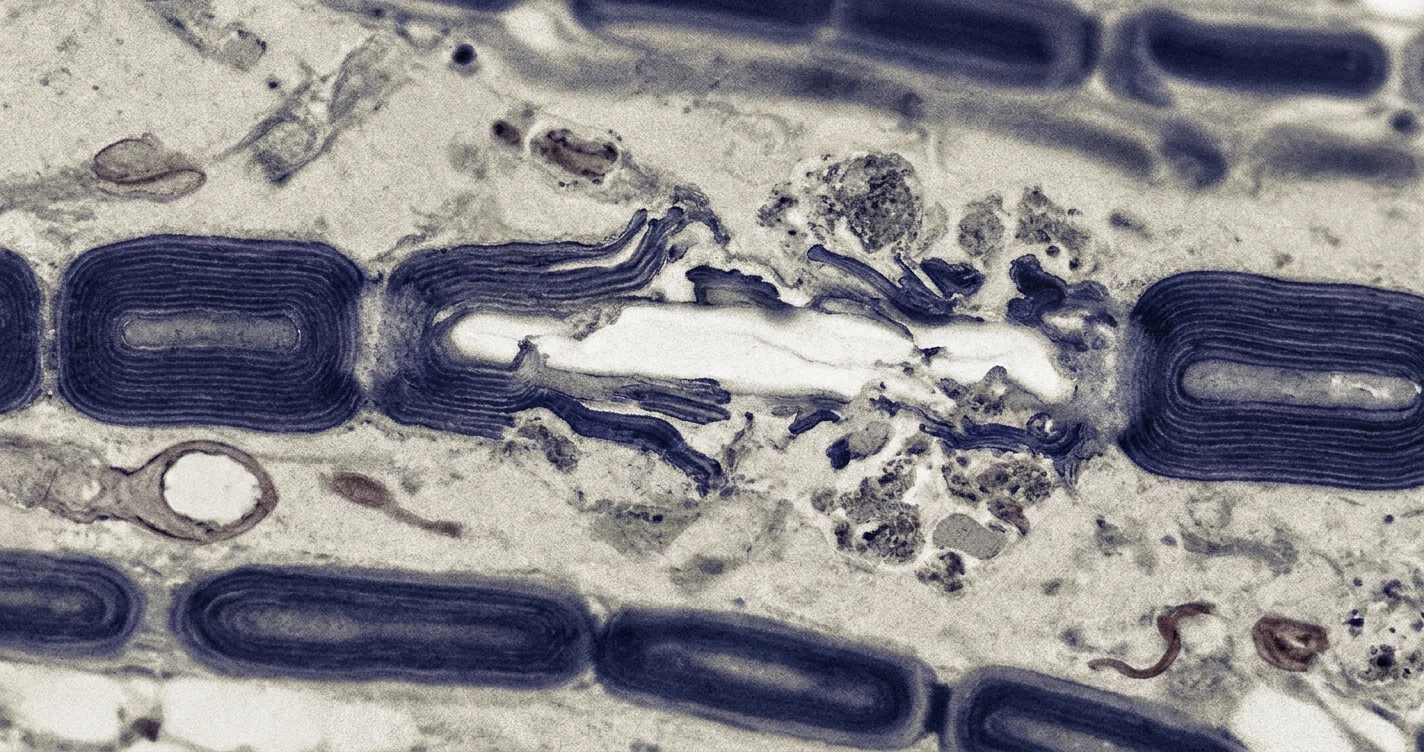
When MS damages myelin along these pathways, the conversation breaks down.(3,4) Lesions in the brain can remove the brakes on the bladder, so it squeezes before it is full. That shows up as urgency, frequency, and leaking. Lesions in the spinal cord can cause the bladder and the sphincter to work against each other, so the bladder squeezes while the outlet stays tight. That shows up as a weak stream, the need to push, and the feeling that you never fully empty.(3,4)
Here is the key point: our toilet habits are not only a result of these changes. They may also feed back and make symptoms better or worse.(6)
What Did the Study Do?
Researchers in Kutahya, Turkey, surveyed 59 women with relapsing-remitting MS from a university MS clinic and 60 women without MS who were similar in age, education, and employment.(1) Everyone completed four validated questionnaires:
- Two measures of bladder symptoms and how much they bother you (the UDI-6 and BFLUTS)
- A 29-item quiz on pelvic floor knowledge
- An 18-item scale of toilet habits, covering where you go, when you go, whether you strain, and what position you use
Notably, the women with MS had mild disability. Their median EDSS score was 1.0, which means they were walking without any help.
What Did They Find?
Bladder symptoms were worse in women with MS, even with mild disability. Bother scores were higher in the MS group, and the difference held after the researchers adjusted for age, body weight, number of births, education, and employment.(1) You do not have to be in a wheelchair for MS to affect your bladder.
Women with MS knew less about the pelvic floor, but that was not the main story. Only 25% of the women with MS said they had ever learned about pelvic floor health, compared with 63% of the women without MS. But once the researchers accounted for education and other background factors, the knowledge gap disappeared, and knowledge did not predict symptoms.(1) This fits an earlier trial in which a pelvic floor education program raised women’s knowledge but did not change their leaking or muscle function.(10) Knowing is good. Doing is what counts.
Two habits stood out. The first is premature voiding, which is peeing “just in case,” before you feel a real urge. Women with MS did this more often, even after adjustment. The second is straining, which is pushing to start or finish the stream.
In women with MS, straining was strongly linked to worse symptoms, and premature voiding was moderately linked. The same pattern appeared in women without MS, just weaker.(1)
When the researchers put everything into one model, straining was the strongest predictor of bladder symptoms, followed by premature voiding. Together with the other factors, the model explained about half of the differences in symptom scores between women. And here is what I find most interesting: once the toilet habits were added to the model, MS itself was no longer a significant predictor.(1)
Discussion of the Results
Why does that matter? It suggests that part of the effect of MS on bladder symptoms may run through habits. The authors are careful to point out that their study cannot prove this.(1)
This was a snapshot in time. We cannot tell which came first. Did straining and “just in case” peeing make symptoms worse? Or did women develop these habits to cope with urgency, fear of leaking, or fear of falling on the way to the bathroom? Most likely, both are true for different women. Bladder symptoms in MS are closely tied to fear of falling and walking ability.(9)
Other limits matter too. The study was small. All the women had relapsing-remitting MS with low disability. Symptoms were self-reported, and no one had bladder testing in a urology clinic. The control group was recruited through social media, which may not represent all women.
Still, these findings line up with earlier research. Women with overactive bladder tend to have more unhealthy toilet habits,(8) and habits like straining and frequent “just in case” trips are linked to bladder symptoms in women generally.(7,11)
My Take
I have lived on both sides of this, as a physician and as a patient with progressive MS. During the years I relied on a tilt-recline wheelchair, I learned that MS touches every system in the body, not just the ones neurologists measure on the EDSS.
What I appreciate about this paper is that it points to things you can change. You cannot will a lesion away. But you can retrain how you use the bathroom, and you can create the conditions in your body that make bladder control easier. A visit to a pelvic floor physical therapist can help you design an exercise program to strengthen your pelvic floor muscles and improve bladder control.
Next Steps for You
Food First
- Prevent constipation. A full bowel presses on the bladder and makes straining more likely. Aim for the nine cups of vegetables and fruit I recommend each day: three cups of leafy greens, three cups of sulfur-rich vegetables (cabbage family, onion family, mushrooms), and three cups of deeply colored vegetables and berries.
- Eliminate sugar and white flour. They are stripped of nutrients and feed the wrong microbes in your gut.
- Notice bladder irritants. Many people find caffeine, alcohol, artificial sweeteners, and carbonated drinks worsen urgency. Try removing them for two weeks and see what changes.
- Do not cut back on water to avoid bathroom trips. Concentrated urine can irritate the bladder. Sip steadily through the day. After 6 p.m. you may want to limit water to reduce urination during the night.
- Add fermented foods such as sauerkraut or kimchi to support a healthy gut and regular bowels.
Rethink Your Toilet Habits
- Tell your neurologist about bladder symptoms. If you feel you do not fully empty your bladder talk to your medical team. Talk to your medical team and ask for a bladder evaluation.
- Don’t strain. Sit fully on the seat rather than hovering. Lean forward, rest your forearms on your thighs, and put your feet on a small stool. Squatty Potty has toilet stools designed for this purpose. Relax and breathe. Visualize your bladder emptying. Let the bladder do the work.
- Give it time. If you feel you have not fully emptied, wait 20 to 30 seconds, stand, sit back down, and try again.
- Gently stretch the time between “just in case” trips, unless your clinician has told you otherwise. A simple bladder diary for three days will show you your pattern.
Targeted Supplements
Supplements are not the main lever for bladder symptoms. They are a foundation for your nervous system as a whole. I recommend a multivitamin/multimineral (Advanced Multi), vitamin D3 with K2 (D3K2 5000iu), magnesium (Better Brain Mag), and fish oil (MindFuel Omega). I have included all of these in the Basic Support kit. If constipation is part of your picture, a probiotic such as Probiotic MD can help support healthy digestion.
Move, and Get Expert Help
- Ask for a referral to a pelvic floor physical therapist. This is a specialist who can teach you how to relax and strengthen these muscles, and how to retrain urgency.
- Exercise daily. In my lab at the University of Iowa, our multimodal program of diet, exercise, stress reduction, and electrical stimulation of muscles reduced fatigue in people with progressive MS.(12) Stronger legs and better balance also make the trip to the bathroom less frightening.
Do this alongside your medical team, not instead of them. There are effective medications and procedures for MS bladder symptoms, and lifestyle changes work well alongside them.
One small study cannot tell you what will happen for you. What it does tell me is that bladder symptoms in MS are not only about lesions. They are also about habits, and habits can change.
Want to Go Deeper?
Eating nine cups a day is the single best thing you can do for regular bowels and less straining, but it is hard to plan week after week. My Wahls Protocol® Premium Menus take the guesswork out of it:
- Weekly meal plans built around the nine cups
- Shopping lists and recipes
- Options for each level of the Wahls Protocol®
Explore the Wahls Protocol® Premium Menus
References
- Kiloatar H, Aydogdu Delibay A, Olçay Demir C, Ceylan D, Orucu A. Pelvic floor knowledge, toileting behaviors, and lower urinary tract symptoms in women with multiple sclerosis. Int Urogynecol J. 2026. doi:10.1007/s00192-026-06946-4.
- Al Dandan HB, Coote S, McClurg D. Prevalence of lower urinary tract symptoms in people with multiple sclerosis: a systematic review and meta-analysis. Int J MS Care. 2020;22:91–9.
- De Sèze M, Ruffion A, Denys P, et al. The neurogenic bladder in multiple sclerosis: review of the literature and proposal of management guidelines. Mult Scler. 2007;13:915–28.
- Panicker JN, Fowler CJ, Kessler TM. Lower urinary tract dysfunction in the neurological patient: clinical assessment and management. Lancet Neurol. 2015;14:720–32.
- Khalaf KM, Coyne KS, Globe DR, et al. The impact of lower urinary tract symptoms on health-related quality of life among patients with multiple sclerosis. Neurourol Urodyn. 2016;35:48–54.
- Wang K, Palmer MH. Women’s toileting behaviour related to urinary elimination: concept analysis. J Adv Nurs. 2010;66:1874–84.
- Kowalik CG, Daily A, Delpe S, et al. Toileting behaviors of women—what is healthy? J Urol. 2019;201:129–34.
- Daily AM, Kowalik CG, Delpe SD, et al. Women with overactive bladder exhibit more unhealthy toileting behaviors: a cross-sectional study. Urology. 2019;134:97–102.
- Kiloatar H, Demir CO, Delibay AA, et al. Fear of falling, gait capacity, and dual task performance in multiple sclerosis patients with and without neurogenic overactive bladder. Acta Neurol Belg. 2025;125:1575–83.
- de Andrade RL, Bø K, Antonio FI, et al. An education program about pelvic floor muscles improved women’s knowledge but not pelvic floor muscle function, urinary incontinence or sexual function: a randomised trial. J Physiother. 2018;64:91–6.
- Newman DK, Burgio KL, Cain C, et al. Toileting behaviors and lower urinary tract symptoms: a cross-sectional study of diverse women in the United States. Int J Nurs Stud Adv. 2021;3:100052.
- Bisht B, et al. A multimodal intervention for patients with secondary progressive multiple sclerosis: feasibility and effect on fatigue. J Altern Complement Med. 2014;20(5):347–55.