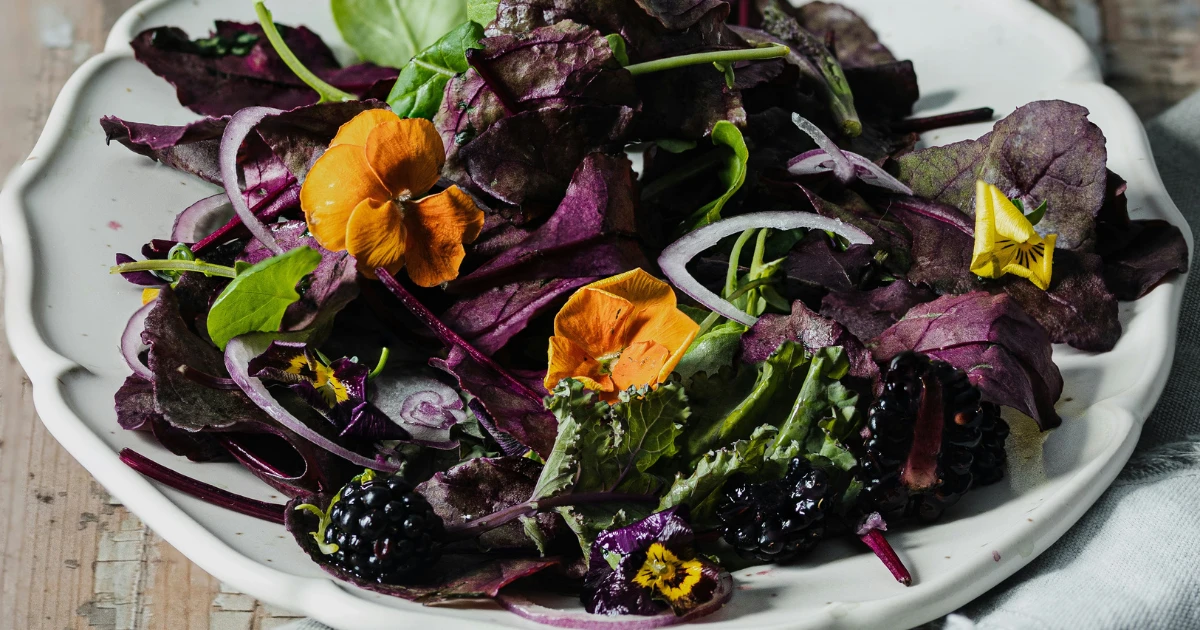
This week, a paper caught my attention because of its focus on the connection between the gut microbiome and the immune system. “Gut Trialogue: How Diet Influences the Mucosal Immune System-Microbiota Interactions” discusses the interplay between the foods we eat, our gut health, and how the immune system interacts with the gut lining (mucosa).(1)
In this blog, I will translate some of the key insights from the paper into actionable, easy to understand language. I’ll also review some of the changes you can implement in your own diet to better support your health goals.
The authors of the paper note the growing evidence that points to the impact our gut bacteria have on both microbiome health and immune system function. That means gut health can affect our susceptibility to developing an autoimmune disease, chronic inflammation, and/or problems with blood sugar regulation.(2-4) There is an interaction with our genes, our microbiome, the early diet, antibiotic exposures, and the foods we are currently eating.(5)
The food you eat every day is the most impactful and accessible place to start making changes that will support your gut health. The authors of this paper focused their discussion on how fiber, carbohydrates, protein, fats, micronutrients, polyphenols, and food additives affect the immune system.
Fibers
The fibers addressed in “Gut Trialogue” were inulin, milk oligosaccharides, pectin, psyllium, wheat brans, beta-glucans, and resistant starch. Each of these fiber types have been shown to impact the immune system in different ways.
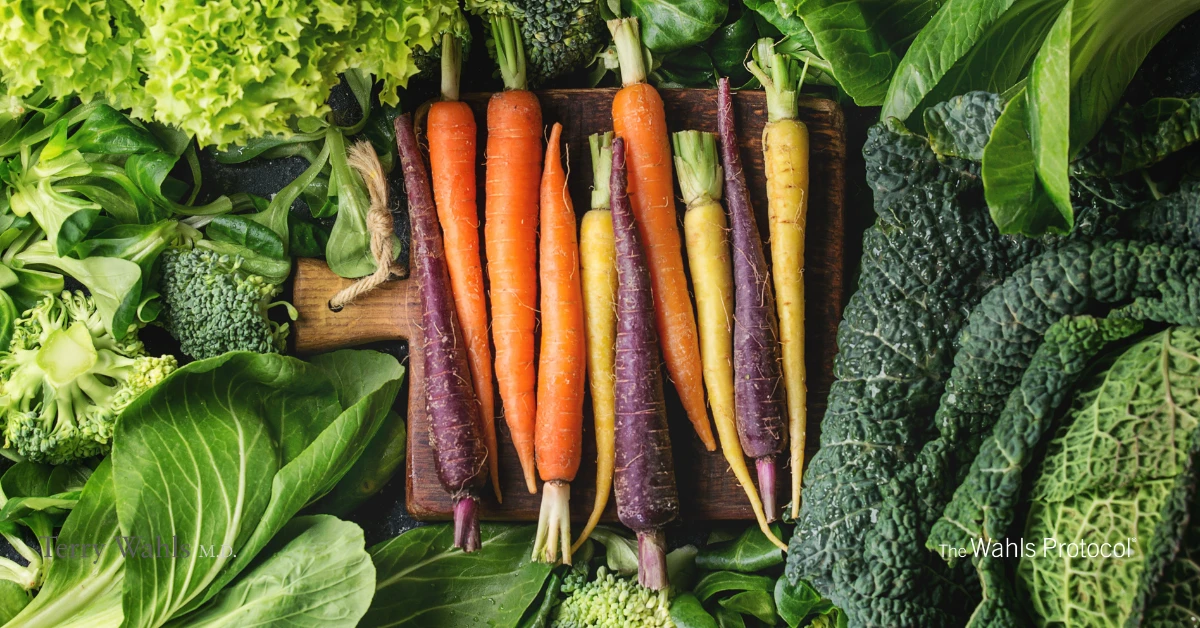
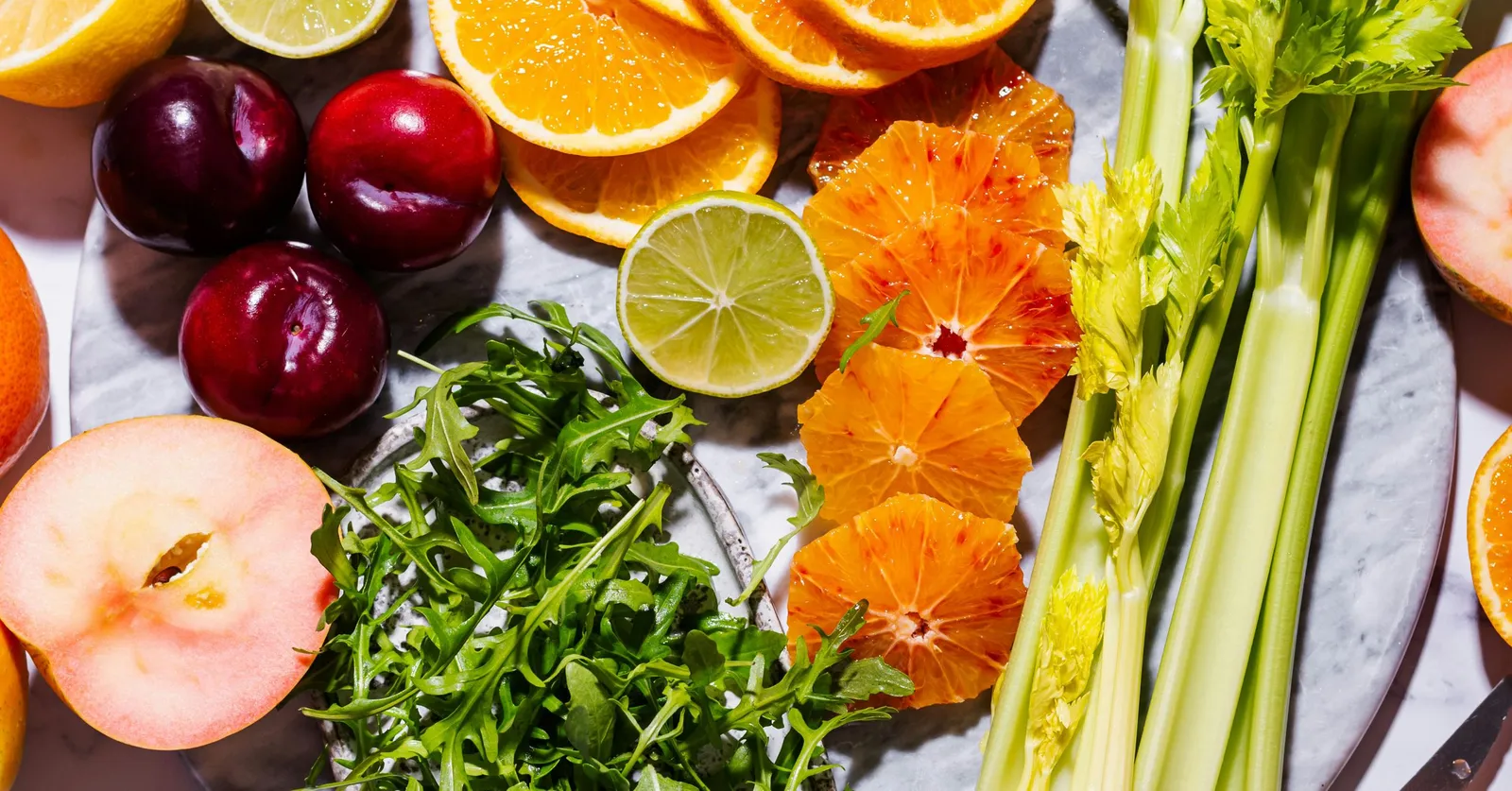
Our Paleolithic ancestors ate over 100 grams of fiber each day, while most modern Americans eat less than 15 grams of fiber.(6) The best way to get more fiber into your diet is to consume more vegetables and fruits.
Resistance starch is present in cooked legumes, starchy vegetables, and rice that has been cooked and then cooled.
Milk products contain milk oligosaccharides that are not digested by our gut but can be digested by bifidobacteria and lactobacillus in the colon, which can use these fibers to make short chain fatty acids (like butyrate) that help calm the immune system and regulate microglia in the brain.
The Macronutrients (Carbohydrates, Protein, and Fats)
Fifty-eight percent of the calories consumed by adults and 68% of calories consumed by children come from added sugar and white flour. These foods feed the sugar-loving bacteria and yeasts that eat the mucosa and increase the risk of leaky gut, and 45 different studies have linked them to worse health outcomes.(7)
When proteins are not completely digested in the gut, they are digested in the colon and are more likely to create toxic byproducts that increase the risk of heart disease and cancer. Signs that this may be the case include bloating after eating protein, or simply being over age 50 (stomach acid decreases as we age).
Higher saturated fat intake is linked to higher rates of leaky gut, more lipopolysaccharide leakage into the bloodstream, and increased risk for autoimmune disease. By contrast, increasing omega-3 fatty acids in the diet has been linked to a healthier microbiome and reduced inflammation.
The Micronutrients that Help (or Harm)
Increased micronutrients (B vitamins, vitamin A, vitamin C) and minerals (iron, zinc, copper) and decreased heavy metals (lead, mercury, arsenic, cadmium) promote a healthier microbiome, reduced inflammation, a calmer immune system, and reduced risk for brain disease.(8)
Note the more added sugar and white flour-based foods one is eating, the greater the risk of micronutrient insufficiency. Conventional foods (as opposed to organic) carry a higher risk of contamination with pesticides and heavy metals. Similarly, increased exposures to air and water pollution carries a greater risk for heavy metal exposure.
The Environmental Protection Agency has been relaxing regulations on air and water quality and eliminated or reduced restrictions on the maximum level of various water contaminants allowed in our drinking water. In Iowa — my home state — water quality has been steadily declining, with higher rates of nitrates due to animal waste.
Polyphenols
Polyphenols are large molecules which are only partially absorbed in the gut, and for a long time they were thought to be unimportant. But there is increasing recognition that polyphenols are a key element of a health-supportive diet. They interact with the immune system, calming inflammation.
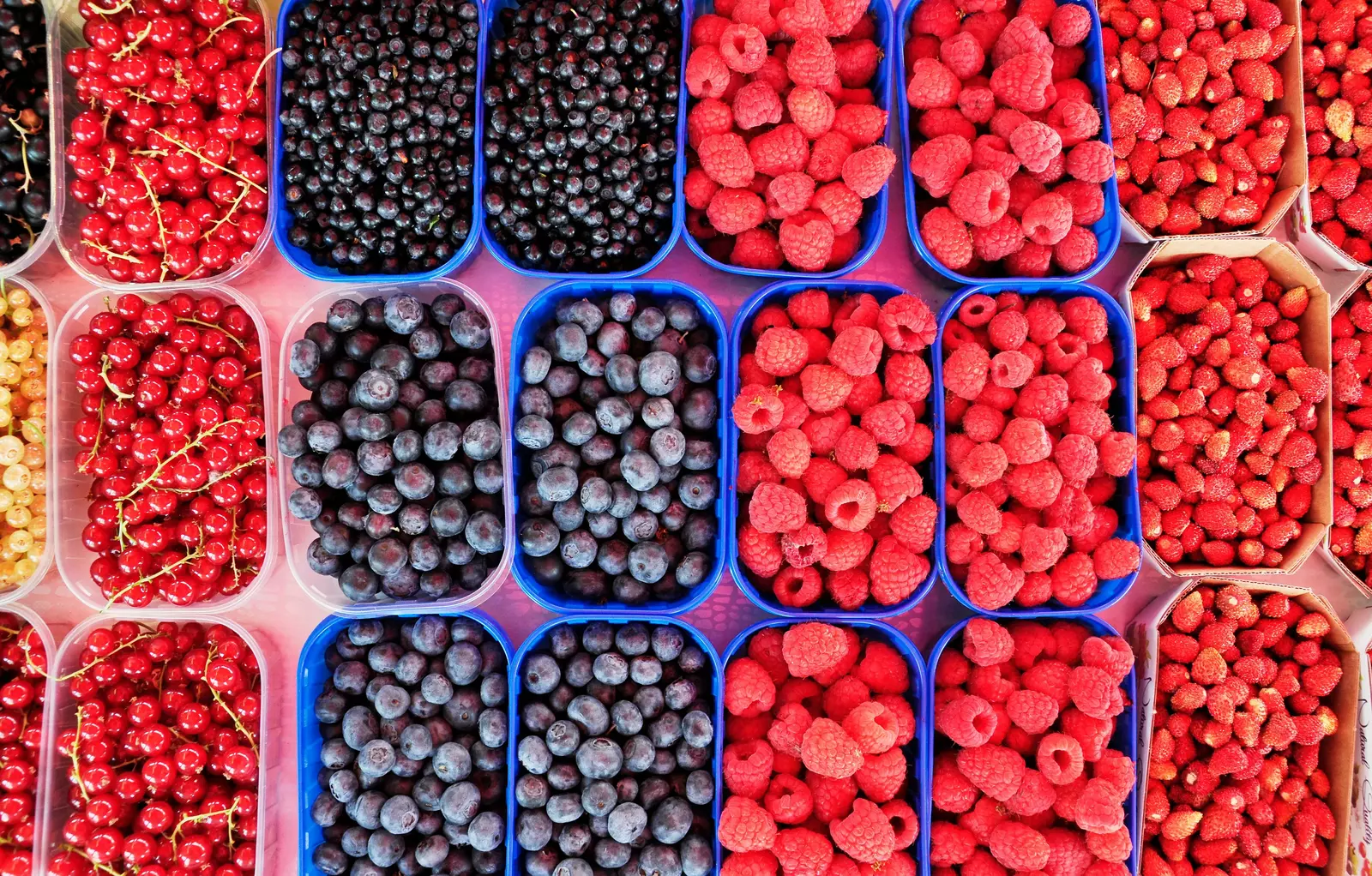
The microbiome digests polyphenols into smaller metabolites that then interact with immune cells. The typical American diet only includes one to two grams of polyphenols; increased polyphenols — like brightly colored vegetables and berries, spices and herbs, and tea — was linked to reduced inflammation, less oxidative stress, and more beneficial bifidobacteria and lactobacillus species.(9, 10)
Emulsifiers, Artificial Sweeteners, Food Dyes, and Other Additives
Food additives can disrupt the microbiome, leading to increased inflammation and problems with blood sugar regulation. Two types of additives were specifically called out by this paper: emulsifiers and artificial sweeteners.
Emulsifiers are put into food to keep them from separating during storage. They wash away the gut’s mucus lining, increasing gut leakiness and the risk for developing more inflammation.(11, 12)
Artificial sweeteners disrupt microbiome communities and increase the level of insulin resistance, making blood sugar control more difficult.
Food dyes, which are made from petroleum products, have been linked to attention deficit and hyperactivity.(13) They are also linked to higher rates of colitis.
Additional additives in the food supply include titanium dioxide, which has been linked to cancer risk in animal studies; pesticides; herbicides; and plastics. These compounds, which can be added to the food directly or leached from packaging materials, disrupt the balance of the microbial communities in the gut and negatively impact gut microbiome-immune communication.
Food First
The authors note, and I agree, that our diet is the most impactful thing we can modify to support a healthy microbiome.
- To that end, I recommend the following:
- Reduce added sugars and white flour-based bread, cereal, and pasta.
- Swap out starchy vegetables in place of the white flour-based foodstuffs.
- Eat more vegetables, especially non-starchy vegetables, berries, and fermented vegetables.
- If you consume dairy, eat more fermented dairy products.
- Eat more fermented vegetables like sauerkraut and kimchi.
- Choose organic foods according to what your budget will allow.
- Minimize plastic containers, and do not microwave plastic.
- Targeted Supplements to Support A Healthy Microbiome
There are three targeted supplements that support your microbiome that are not probiotics: a good multivitamin/multimineral, digestive enzymes, and omega-3 fatty acids. These supplements help ensure that the microbiome will have what it needs to thrive. Note that if you live with a chronic disease, you are more likely to have multiple nutrient insufficiencies.
Here are my recommendations:
Advanced Multi is a complete multivitamin/multimineral that will ensure you don’t have any insufficiencies. Vitamins do not work in a vacuum; they interact with one another and require a mineral cofactor in order to work properly.
If you are over 50, you are at risk of not having enough stomach acid to properly digest protein. I checked my microbiome recently and saw that I was digesting protein in my colon, meaning that I needed to take digestive enzymes and betaine. A digestive enzyme like Gluten Shield can help those over 50 combat reduced stomach acid and support optimal protein digestion.
I also urge my patients to take MindFuel Omega omega-3 fatty acids to support a healthier microbiome and reduce inflammation.
Closing Thoughts
There is a lot we can do to support our microbiome in helping us achieve our health goals. Talk to your children, because microbiome health is largely shaped by the early years of life. I have a grandson, and I’m looking forward to making homemade sauerkraut and yoghurts with him as he gets older. Help your kids and grandkids understand their microbial partners and how good food choices help them feel happier and healthier.
After all, a happy, healthy microbiome leads to a happy, healthy body and brain.
Citations
- Lamy-Besnier Q, Kim SG, Vilela Rodrigues T, Gewirtz AT, Chassaing B. Gut trialogue: How diet influences mucosal immune system-microbiota interactions. Mucosal Immunol. 2026;19(2):1683-94.
- De Luca F, Shoenfeld Y. The microbiome in autoimmune diseases. Clin Exp Immunol. 2019;195(1):74-85.
- Hadrich I, Turki M, Chaari I, Abdelmoula B, Gargouri R, Khemakhem N, et al. Gut mycobiome and neuropsychiatric disorders: insights and therapeutic potential. Front Cell Neurosci. 2024;18:1495224.
- Hirschberg S, Gisevius B, Duscha A, Haghikia A. Implications of Diet and The Gut Microbiome in Neuroinflammatory and Neurodegenerative Diseases. Int J Mol Sci. 2019;20(12).
- Wastyk HC, Fragiadakis GK, Perelman D, Dahan D, Merrill BD, Yu FB, et al. Gut-microbiota-targeted diets modulate human immune status. Cell. 2021.
- Cordain L, Eaton SB, Sebastian A, Mann N, Lindeberg S, Watkins BA, et al. Origins and evolution of the Western diet: health implications for the 21st century. Am J Clin Nutr. 2005;81(2):341-54.
- Lane MM, Gamage E, Du S, Ashtree DN, McGuinness AJ, Gauci S, et al. Ultra-processed food exposure and adverse health outcomes: umbrella review of epidemiological meta-analyses. BMJ. 2024;384:e077310.
- Bourre JM. Effects of nutrients (in food) on the structure and function of the nervous system: update on dietary requirements for brain. Part 1: micronutrients. J Nutr Health Aging. 2006;10(5):377-85.
- hico L, Schirinzi E, Balestrini L, Polzella M, Siciliano G. Nrf2-Activating Natural Compounds in Neurodegenerative Diseases: Targeting Oxidative Stress and Protein Aggregation. Int J Mol Sci. 2026;27(3).
- Scapagnini G, Vasto S, Abraham NG, Caruso C, Zella D, Fabio G. Modulation of Nrf2/ARE pathway by food polyphenols: a nutritional neuroprotective strategy for cognitive and neurodegenerative disorders. Mol Neurobiol. 2011;44(2):192-201.
- Bancil AS, Sandall AM, Rossi M, Chassaing B, Lindsay JO, Whelan K. Food Additive Emulsifiers and Their Impact on Gut Microbiome, Permeability, and Inflammation: Mechanistic Insights in Inflammatory Bowel Disease. J Crohns Colitis. 2021;15(6):1068-79.
- De Siena M, Raoul P, Costantini L, Scarpellini E, Cintoni M, Gasbarrini A, et al. Food Emulsifiers and Metabolic Syndrome: The Role of the Gut Microbiota. Foods. 2022;11(15).
- Miller MD, Steinmaus C, Golub MS, Castorina R, Thilakartne R, Bradman A, et al. Potential impacts of synthetic food dyes on activity and attention in children: a review of the human and animal evidence. Environ Health. 2022;21(1):45.