Two papers caught my attention this week: “Nutrients and Bioactive Compounds as Modifiers of Neurodegenerative Trajectories: Molecular Mechanisms, Translational Barriers, and Precision Nutrition”(1) The second paper is “Signaling Pathways Driving Multiple Sclerosis: From Mechanisms to Natural-Product Interventions.”(2)
The first paper suggests that certain nutrients and plant-based compounds may help shape how neurodegenerative diseases develop, but that turning those ideas into real-world treatments is still difficult and probably needs a more personalized approach.
The second paper looks at the biological pathways involved in multiple sclerosis and explores whether natural compounds and plant chemicals could help influence those processes as a treatment or support option.
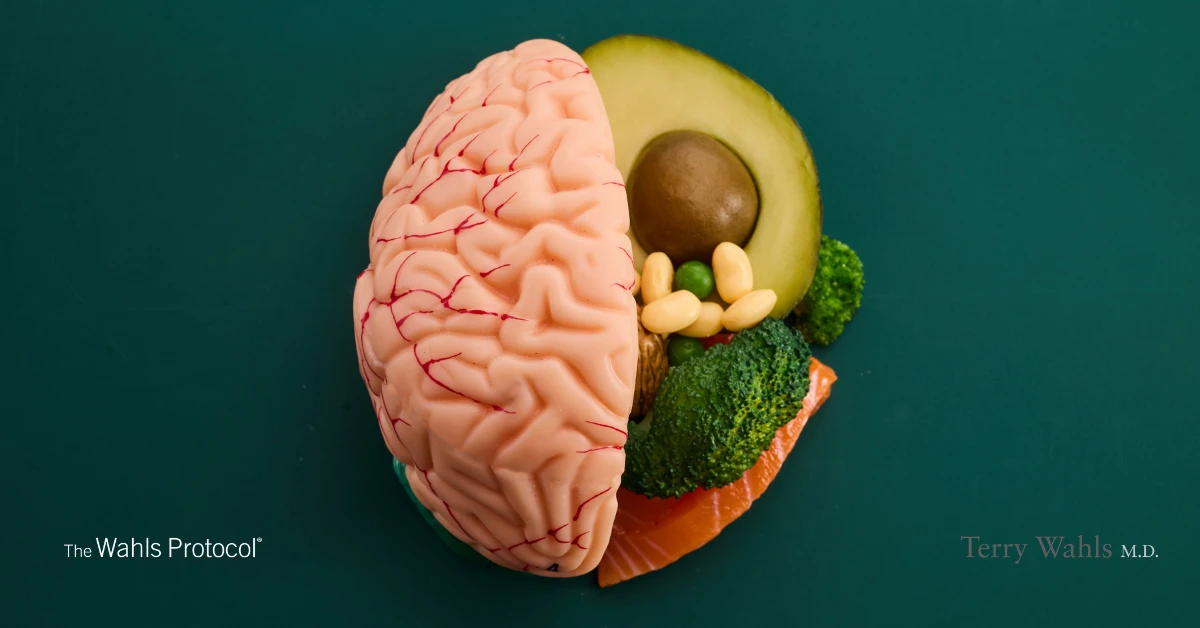
Taken together, these studies suggest that dietary choices and bioactive compounds may do more than support general wellness — they may also affect some of the systems involved in keeping the brain and nervous system working well.
In this review, I’ll look more closely at the mechanisms involved, the limits of the current evidence, and the foods and supplements that may be most useful in practice.
Basic science – the animal studies
Science is continuing to make advances in understanding the complex, self-correcting chemistry of our central nervous system. Every second, there are 2 billion chemical reactions occurring in a healthy human cell; these interconnected reactions function (in part) to maintain the proper concentration of salts to sustain life.
Both papers review some of the broken biochemistry observed in multiple sclerosis (MS) and other neurological diseases. They then review how disease modifying treatments (DMTs) help to correct this broken biochemistry.
Animal studies help us understand this chemistry in ever increasing detail.
Drug development often begins by observing what a natural product does to improve cell function, and then modifying that material’s molecules so that it can be patented. At this point, the compounds are again tested in animals. Once we’ve observed and replicated a desired result, we then move to human studies, testing to see whether these new compounds will also help people.
Almost always, the new compounds show a much smaller effect — or none at all — in humans. Why does that occur? Animal studies are tightly controlled — what they eat, the timing of light and darkness, how much exercise they get and the stress they’re exposed to.
But in human studies, people can typically eat what they want, exercise at a level of their choosing, decide for themselves when they go to sleep and when to get up. This variability makes it very difficult to generate statistically significant results of single nutrient studies in humans.
Nutrients that support specific pathways in the mitochondria
Mitochondrial function is a key driver of brain health. If the mitochondria struggle to make enough adenosine triphosphate (ATP) — the energy molecules our cells use to drive the chemistry of life – the person will experience more trouble with fatigue and slowly worsening of symptoms. This worsening typically begins to accelerate as people get past age 45.
Mitochondria require B vitamins, magnesium, and zinc to function optimally. Because many of the B vitamins need to be activated before they can interact with our enzymes, I have my patients take Activated B’s.
Vitamins also need certain minerals to work properly in the body, and vitamins rarely act alone. This is one reason why a multivitamin/multimineral like MitoMulti Complete can be so beneficial. These products contain additional antioxidants — lipoic acid, acetyl-l-carnitine, resveratrol, milk thistle, green tea, broccoli sprout extract (which gets metabolized into sulforaphane), huperzine A, and Bacopa monnieri — that help mop up the reactive oxygen species (biologic trash) that occur when the mitochondria make ATP.
DNA molecules contain markers that signal whether a gene should be read to make a protein or silenced so no protein related to that gene gets made. While scientists are racing to make drugs that can turn genes on and off, these same antioxidant compounds have favorable effects on gene expression and will also turn genes on and off in ways that support better brain cell function.
Sugar and white flour-based products turn on disease-promoting genes. Avoid those foods to avoid turning on disease-promoting genes.
Cell membrane support
Cells are encased in fat wrappers — membranes that contain receptors for chemical messages that tell the cell what to do next. Mitochondria also have an inner membrane that holds the proteins involved in making ATP.
To have healthy cell membranes, we need fat. This is where cholesterol and omega-3 fatty acids come in.
Understanding the importance of what we eat
We have known about the impact of vitamins and minerals on our cellular health for about a hundred years. Within the foods that humans eat, scientists have identified over 180,000 bioactive molecules – molecules that affect how our cells perform the chemistry of life. Even so, scientists are only just beginning to understand the impact of polyphenols and other antioxidants on our physiology.
Research has shown that Vitamins D, E, and the B complex vitamins are particularly important for brain, heart, and eye health. In addition, magnesium, zinc, and selenium are important cofactors for 300 enzymes in the brain. Polyphenols, which are large antioxidant molecules present in green tea, chocolate, and brightly colored vegetables and fruits, have been linked with lower risk of cognitive impairment and mental health problems. Dietary fiber and fermented foods are linked with healthier microbiome balance and reduced risk of neurodegenerative disease.
For all of these reasons and more, I always recommend eating more non-starchy vegetables, berries, and fermented foods. If you enjoy coffee and tea and they do not keep you awake at night, keep drinking coffee and tea. (If sleep is an issue, then experiment with abstaining from caffeine in the afternoon.)
Be sure to consume sufficient amounts of protein, whether it is from meat and fish or legumes and whole grain. I also encourage fermented cabbage (sauerkraut or kimchi). If you eat dairy, include kefir and yoghurts. If you are not consuming dairy, consider coconut- or nut milk-based kefir and yoghurt.
Also, do your best to avoid added sugar and white flour-based foods. Those have been stripped of vitamins and minerals and feed the wrong microbes that will increase the risk of disease.
People with chronic disease, including MS, are more likely to have vitamin and mineral insufficiencies which can increase the risk of neurological disease and symptoms. For that reason, I do recommend taking basic vitamin and mineral support (like MitoMulti Complete) to prevent any such insufficiencies.
Citations
- Singh G, Singh G, Shreya, Kumari A, Aran KR. Nutrients and bioactive compounds as modifiers of neurodegenerative trajectories: molecular mechanisms, translational barriers, and precision nutrition. Front Nutr. 2026;13:1819432.
- El-Dessouki AM, Shalaby HN, Khalaf SS, Abd-Elmawla MA, Ghaiad HR, Abdel Mageed SS, et al. Signaling pathways driving multiple sclerosis: From mechanisms to natural‑product interventions. Biomed Pharmacother. 2026;200:119543.