What are polyphenols and antioxidants, and how can they help reduce inflammation for people with MS? In this article, you’ll learn about the power of polyphenols and antioxidants, how to get more of them into your diet, and the targeted supplements I recommend for my patients.
How polyphenols and antioxidants work to improve your health
Polyphenols are metabolized by the gut bacteria into compounds that calm excessive inflammation, reduce oxidative stress, turn off disease-promoting genes, and turn on health-promoting genes.1-3
Antioxidants quench the oxidative stress that occurs as a byproduct of making adenosine triphosphate (ATP) in the mitochondria. Without antioxidants, those oxidative stress molecules will damage the mitochondria and other parts of the cells.4
How polyphenols and antioxidants get removed from your diet
When foods are processed to make them more shelf-stable and resistant to spoilage, the polyphenol and antioxidant content is sharply reduced. Vitamin C, for example, is destroyed by heat. That’s why cooked foods contain very little vitamin C.
Ultra-processed foods like sugar-sweetened beverages and flour-based breads, cereals, and pastas now account for 60% of the average American’s calories.5 Children and young adults get more than 70% of their calories from ultra-processed foods.5 As a result, most adults and children have very few polyphenols and antioxidants in their diets and are at higher risk for developing chronic diseases and/or issues like adverse pregnancy outcomes,6,7 obesity,8 insulin resistance, metabolic syndrome and type 2 diabetes,9,10 hypertension and cardiovascular disease,11,12 poor mental health,13, dementia, brain diseases, and poorer cognition,14-16 breast cancer, colorectal cancer and other cancers,17-19 and all-cause mortality.12
The best food sources for polyphenols and antioxidants
Many of the food sources for polyphenols, like vegetables, nuts, seeds, and spices,1-3,20 will also include antioxidants.4 Here are some things you can do to increase the polyphenols and antioxidants in your every diet:
- Replace sugar-sweetened beverages with water and tea.
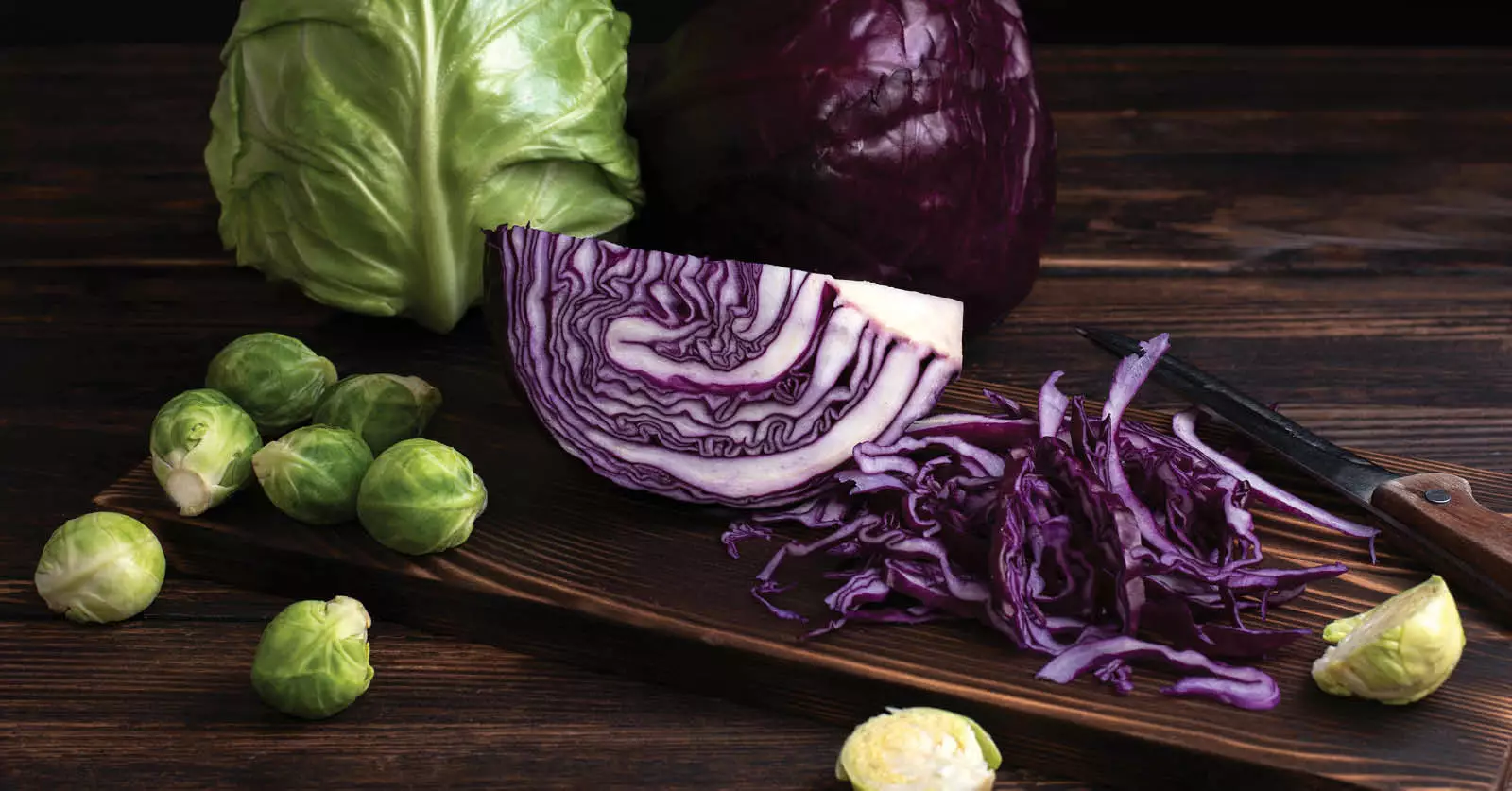
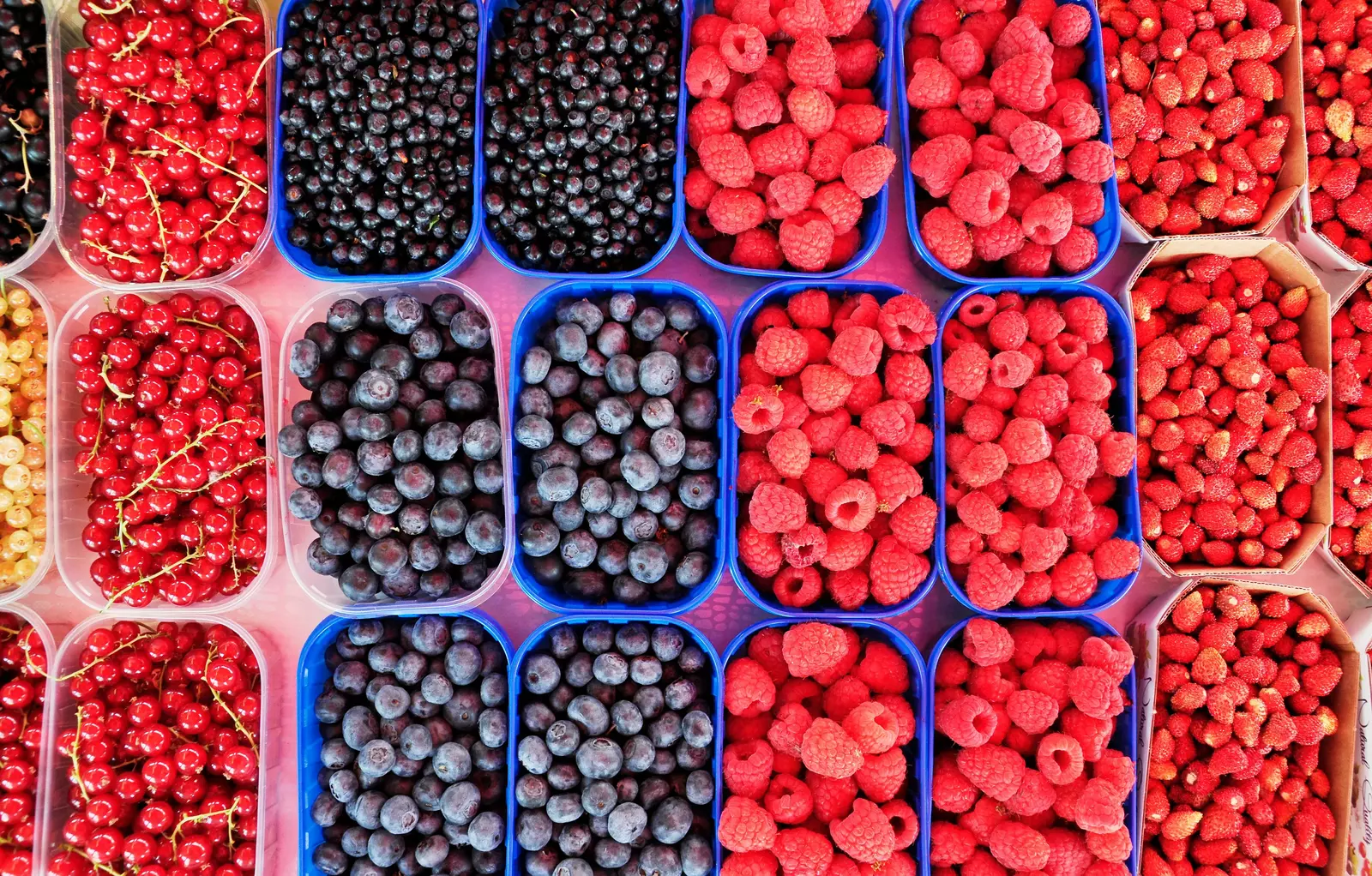
- Try increasing your intake of fresh vegetables, berries, nuts, and seeds.
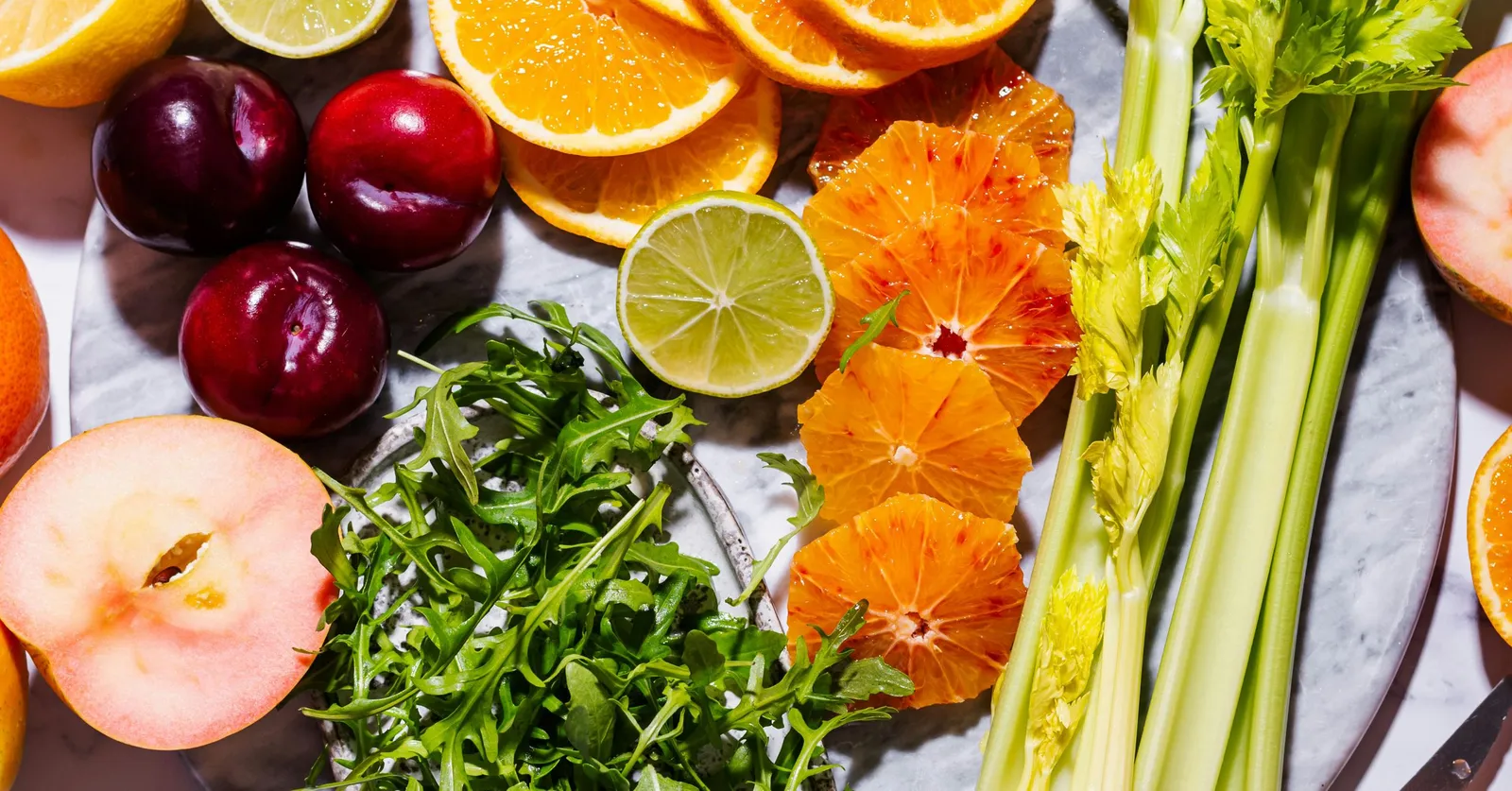
- Eat more salads and raw fruits to increase your vitamin C intake.
- Green leafy vegetables provide more magnesium and calcium, as well as more polyphenols, carotenoids*, lutein, zeaxanthin, mezzo-zeaxanthins and other carotenoids that support brain and retinal health.20
- Liver sourced from animals that eat grass or algae contains more vitamin A (retinol), folate (vitamin B9), cobalamin (vitamin B12). These minerals are also more easily absorbed. Raw meat is a good source of vitamin C as well, due to public health concerns I do not recommend it as a primary source for vitamin C.
- *Carotenoids are not the same thing as vitamin A—which is key for retinal health, brain health, immune health and proper cell division (reducing the risk of cancer and pre-cancer cells). When you consume carotenoids, your intestinal cells metabolize it to make retinol, which is vitamin A.
Targeted polyphenol and antioxidant supplements
Glutathione is the cell’s master antioxidant, made from the amino acids cysteine, glutamine, and glycine. Without enough cysteine on hand, the amount of available glutathione your body can make becomes limited. But you can’t simply take glutathione by mouth, because it will be digested. Instead, I have my patients take N-acetyl-L-cysteine (NAC), which the cells can then use to make glutathione. Taking supplemental NAC has been a helpful adjunct to improve the quality of life for people with neurological and psychiatric disease states.21,22
Vitamins C and E are also potent antioxidants,4 but vitamins require mineral cofactors in order to function optimally in our cells. Vitamin C requires selenium, zinc, copper, and iron; vitamin E requires selenium, zinc, and manganese.23,24 I have my patients take a daily multivitamin / multimineral throughout the year to make sure they have sufficient vitamins C and E.
Additional polyphenols and antioxidants that support mitochondrial efficiency, support healthy aging, and protect cell membranes from damage caused by oxidative stress molecules include: coenzyme Q,25 lipoic acid,26 L-carnitine,27 green tea,28 huperzine A,29 resveratrol,3 bacopa monnieri,30 sulforaphane, 31 milk thistle, 32 and phosphatidylserine.33
Below is a high-level look at how these different polyphenols and antioxidants work to support health and longevity in people with MS and other chronic conditions.
Supplemental coenzyme Q improves mitochondrial efficiency and has been a useful adjunct to standard therapy in patients with cognitive impairment.25
Lipoic acid reduces inflammatory cytokines and oxidative stress molecules in people with MS.34 Lipoic acid and carnitine have been used together as a supplemental treatment for multiple neurological and psychiatric diseases.35
Sulforaphane, a component of broccoli and other cruciferous vegetables, lowers inflammation and reduces oxidative stress in people with neurodegenerative diseases including multiple sclerosis.36,37
Green tea has been used as an addition to standard therapy for neurodegenerative diseases including multiple sclerosis.28
Huperzine A has been helpful in the animal models of Alzheimer’s disease.29
Resveratrol has demonstrated benefits for cognitive decline and neurodegenerative diseases.3
Phosphatidylserine is a component of the cell membrane and is a key part of myelin insulation around the axons (wiring) between cells in the brain and spinal cord.33 Phosphatidylserine content declines with age, which contributes to immune senescence— the gradual decline of immune system function associated with aging. This decline in immune cell vitality is part of why there is a greater risk for developing cancers and serious infections over the age of 65. Taking supplemental oral phosphatidylserine has also been beneficial for people with neurodegenerative and psychiatric diseases.33
When you have an infection, a higher intake of vitamin C is needed to fight it.23 Because the risk of respiratory infections is increased during the winter months, I have my patients take additional vitamin C from December through March.
Dr. Wahls key recommendations for antioxidants and polyphenols
These are my top recommendations for optimizing your polyphenol and antioxidants intake to better manage your MS and autoimmune-related symptoms. First, is vital to improve your diet starting with the recommendations above. Once that is stabilized, adding the following targeted supplements can further improve your quality of life.
Mito Multi Complete
This multivitamin/ multimineral contains the key vitamins and their necessary mineral cofactors for optimal functionality. In addition, Mito Multi Complete contains several antioxidants and polyphenols: L-carnitine, lipoic acid, milk thistle extract, green tea, huperzine A, resveratrol, broccoli seed extract, Shilajit, and Bacopa monnieri. This is terrific support for your mitochondria and cells.
This nutraceutical provides additional polyphenol and antioxidant support. N-acetylcysteine, phosphatidylserine, acetylcysteine-l-carnitine, lipoic acid, coenzyme Q, and broccoli seed extract which is metabolized to sulforaphane.
Ultra C
Taking additional vitamin C and related bioflavonoids during December, January, February, and March can facilitate greater resistance to viral infections. It also helps your body fight these infections if you do become ill, hopefully making the infection milder and shorter.
Citations
- Di Lorenzo C, Colombo F, Biella S, Stockley C, Restani P. Polyphenols and Human Health: The Role of Bioavailability. Nutrients. 2021;13(1).
- Fraga CG, Croft KD, Kennedy DO, Tomas-Barberan FA. The effects of polyphenols and other bioactives on human health. Food Funct. 2019;10(2):514-528.
- La Rosa G, Lonardo MS, Cacciapuoti N, et al. Dietary Polyphenols, Microbiome, and Multiple Sclerosis: From Molecular Anti-Inflammatory and Neuroprotective Mechanisms to Clinical Evidence. Int J Mol Sci. 2023;24(8).
- Halliwell B. Understanding mechanisms of antioxidant action in health and disease. Nat Rev Mol Cell Biol. 2024;25(1):13-33.
- Kliemann N, Al Nahas A, Vamos EP, et al. Ultra-processed foods and cancer risk: from global food systems to individual exposures and mechanisms. Br J Cancer. 2022;127(1):14-20.
- Paula WO, Patriota ESO, Goncalves VSS, Pizato N. Maternal Consumption of Ultra-Processed Foods-Rich Diet and Perinatal Outcomes: A Systematic Review and Meta-Analysis. Nutrients. 2022;14(15).
- Talebi S, Mehrabani S, Ghoreishy SM, et al. The association between ultra-processed food and common pregnancy adverse outcomes: a dose-response systematic review and meta-analysis. BMC Pregnancy Childbirth. 2024;24(1):369.
- Moradi S, Entezari MH, Mohammadi H, et al. Ultra-processed food consumption and adult obesity risk: a systematic review and dose-response meta-analysis. Crit Rev Food Sci Nutr. 2023;63(2):249-260.
- Moradi S, Hojjati Kermani MA, Bagheri R, et al. Ultra-Processed Food Consumption and Adult Diabetes Risk: A Systematic Review and Dose-Response Meta-Analysis. Nutrients. 2021;13(12).
- Shu L, Zhang X, Zhou J, Zhu Q, Si C. Ultra-processed food consumption and increased risk of metabolic syndrome: a systematic review and meta-analysis of observational studies. Front Nutr. 2023;10:1211797.
- Wang M, Du X, Huang W, Xu Y. Ultra-processed Foods Consumption Increases the Risk of Hypertension in Adults: A Systematic Review and Meta-analysis. Am J Hypertens. 2022;35(10):892-901.
- Yuan L, Hu H, Li T, et al. Dose-response meta-analysis of ultra-processed food with the risk of cardiovascular events and all-cause mortality: evidence from prospective cohort studies. Food Funct. 2023;14(6):2586-2596.
- Mazloomi SN, Talebi S, Mehrabani S, et al. The association of ultra-processed food consumption with adult mental health disorders: a systematic review and dose-response meta-analysis of 260,385 participants. Nutr Neurosci. 2023;26(10):913-931.
- Pourmotabbed A, Talebi S, Mehrabani S, et al. The association of ultra-processed food intake with neurodegenerative disorders: a systematic review and dose-response meta-analysis of large-scale cohorts. Nutr Neurosci. 2024:1-14.
- Bhave VM, Oladele CR, Ament Z, et al. Associations Between Ultra-Processed Food Consumption and Adverse Brain Health Outcomes. Neurology. 2024;102(11):e209432.
- Henney AE, Gillespie CS, Alam U, Hydes TJ, Mackay CE, Cuthbertson DJ. High intake of ultra-processed food is associated with dementia in adults: a systematic review and meta-analysis of observational studies. J Neurol. 2024;271(1):198-210.
- Isaksen IM, Dankel SN. Ultra-processed food consumption and cancer risk: A systematic review and meta-analysis. Clin Nutr. 2023;42(6):919-928.
- Lian Y, Wang GP, Chen GQ, Chen HN, Zhang GY. Association between ultra-processed foods and risk of cancer: a systematic review and meta-analysis. Front Nutr. 2023;10:1175994.
- Shu L, Zhang X, Zhu Q, Lv X, Si C. Association between ultra-processed food consumption and risk of breast cancer: a systematic review and dose-response meta-analysis of observational studies. Front Nutr. 2023;10:1250361.
- Vishwanathan R, Schalch W, Johnson EJ. Macular pigment carotenoids in the retina and occipital cortex are related in humans. Nutr Neurosci. 2016;19(3):95-101.
- Bavarsad Shahripour R, Harrigan MR, Alexandrov AV. N-acetylcysteine (NAC) in neurological disorders: mechanisms of action and therapeutic opportunities. Brain Behav. 2014;4(2):108-122.
- Minarini A, Ferrari S, Galletti M, et al. N-acetylcysteine in the treatment of psychiatric disorders: current status and future prospects. Expert Opin Drug Metab Toxicol. 2017;13(3):279-292.
- Jeong H, Vacanti NM. Systemic vitamin intake impacting tissue proteomes. Nutr Metab (Lond). 2020;17:73.
- Liao S, Omage SO, Bormel L, et al. Vitamin E and Metabolic Health: Relevance of Interactions with Other Micronutrients. Antioxidants (Basel). 2022;11(9).
- Mantle D, Heaton RA, Hargreaves IP. Coenzyme Q10, Ageing and the Nervous System: An Overview. Antioxidants (Basel). 2021;11(1).
- de Sousa CNS, da Silva Leite CMG, da Silva Medeiros I, et al. Alpha-lipoic acid in the treatment of psychiatric and neurological disorders: a systematic review. Metab Brain Dis. 2019;34(1):39-52.
- Traina G. The neurobiology of acetyl-L-carnitine. Front Biosci (Landmark Ed). 2016;21(7):1314-1329.
- Afzal O, Dalhat MH, Altamimi ASA, et al. Green Tea Catechins Attenuate Neurodegenerative Diseases and Cognitive Deficits. Molecules. 2022;27(21).
- Turkseven CH, Buyukakilli B, Balli E, et al. Effects of Huperzin-A on the Beta-amyloid accumulation in the brain and skeletal muscle cells of a rat model for Alzheimer's disease. Life Sci. 2017;184:47-57.
- Wijeweera G, Wijekoon N, Gonawala L, Imran Y, Mohan C, De Silva KRD. Therapeutic Implications of Some Natural Products for Neuroimmune Diseases: A Narrative of Clinical Studies Review. Evid Based Complement Alternat Med. 2023;2023:5583996.
- Huang C, Wu J, Chen D, Jin J, Wu Y, Chen Z. Effects of sulforaphane in the central nervous system. Eur J Pharmacol. 2019;853:153-168.
- Surai PF. Silymarin as a Natural Antioxidant: An Overview of the Current Evidence and Perspectives. Antioxidants (Basel). 2015;4(1):204-247.
- Kidd PM. Neurodegeneration from mitochondrial insufficiency: nutrients, stem cells, growth factors, and prospects for brain rebuilding using integrative management. Altern Med Rev. 2005;10(4):268-293.
- Xie H, Yang X, Cao Y, Long X, Shang H, Jia Z. Role of lipoic acid in multiple sclerosis. CNS Neurosci Ther. 2022;28(3):319-331.
- Mantle D, Hargreaves IP. Mitochondrial Dysfunction and Neurodegenerative Disorders: Role of Nutritional Supplementation. Int J Mol Sci. 2022;23(20).
- Li B, Cui W, Liu J, et al. Sulforaphane ameliorates the development of experimental autoimmune encephalomyelitis by antagonizing oxidative stress and Th17-related inflammation in mice. Exp Neurol. 2013;250:239-249.
- Schepici G, Bramanti P, Mazzon E. Efficacy of Sulforaphane in Neurodegenerative Diseases. Int J Mol Sci. 2020;21(22).